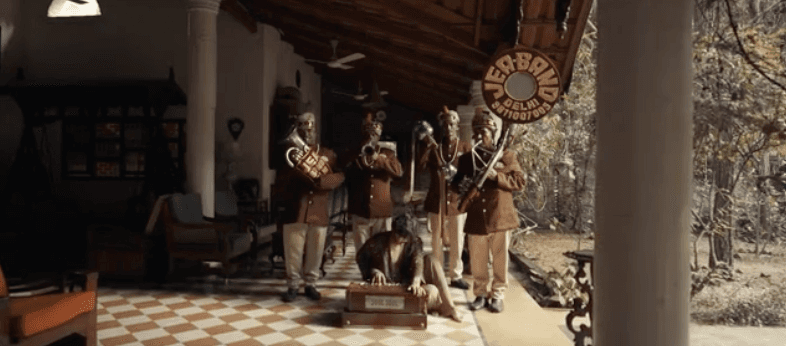

Ten days before Thaltej Publishing Company's 1000-capacity independent rap show in Ahmedabad was set to go live, its CEO Dhanji posted a two-page letter on Instagram. Subject line: "Change in Show Management." Opening line: the show on 12 September 2026 is happening on 12 September 2026, and that was never up for negotiation.
TPC had just cut ties with its ticketing partners, Ace Events and Event Gates, calling out the split by name and refunding every ticket sold under them. Dhanji's reasoning was blunt: running the largest independent rap show Gujarat has seen is hard on a good day, and harder still when the people hired to run it fail to do their job. Most operators bury this kind of thing behind a line about "unforeseen circumstances" and a PR handler. Dhanji named the vendors instead, and spent the rest of the letter walking patrons through exactly what changed and what didn't: same date, same night, same capacity, new ticket link managed directly by TPC, price fixed at ₹499 plus tax with no room to move. He also drew a hard line around who was allowed to sell the ticket at all - BookMyShow, District, and Showmates only - and said flatly that anything bought outside those three was never legitimate to begin with.
The pricing detail is worth sitting with longest. TPC held ₹499 plus tax "fixed forever" on the new ticket link while actively cleaning up a vendor mess it hadn't caused alone. In a ticketing market where dynamic pricing and scalping have become close to default even for mid-size shows, refusing to move that number is a smaller decision on paper than firing two vendors in public - but it says more about what TPC thinks a patron is owed.
Naming a failure publicly like that is a gamble. It's now permanently attached to the show, searchable and timestamped ten days before doors, with nothing left to fall back on if the follow-through didn't hold.
It held. The show sold out - every one of the 1000+ tickets, at the same fixed price the letter promised ten days earlier, no dynamic pricing, no last-minute surge. Fans who'd bought under the old vendors and rebooked under TPC's new link showed up in the numbers the show needed to hit capacity, on the date that was never up for negotiation. Behind that number was a full coordination team on the ground well before doors, running load-in, stage setup, and crowd flow for a show that had almost lost its ticketing system ten days earlier. None of that scrambling was visible from the crowd, which is usually a good sign the team did its job right.
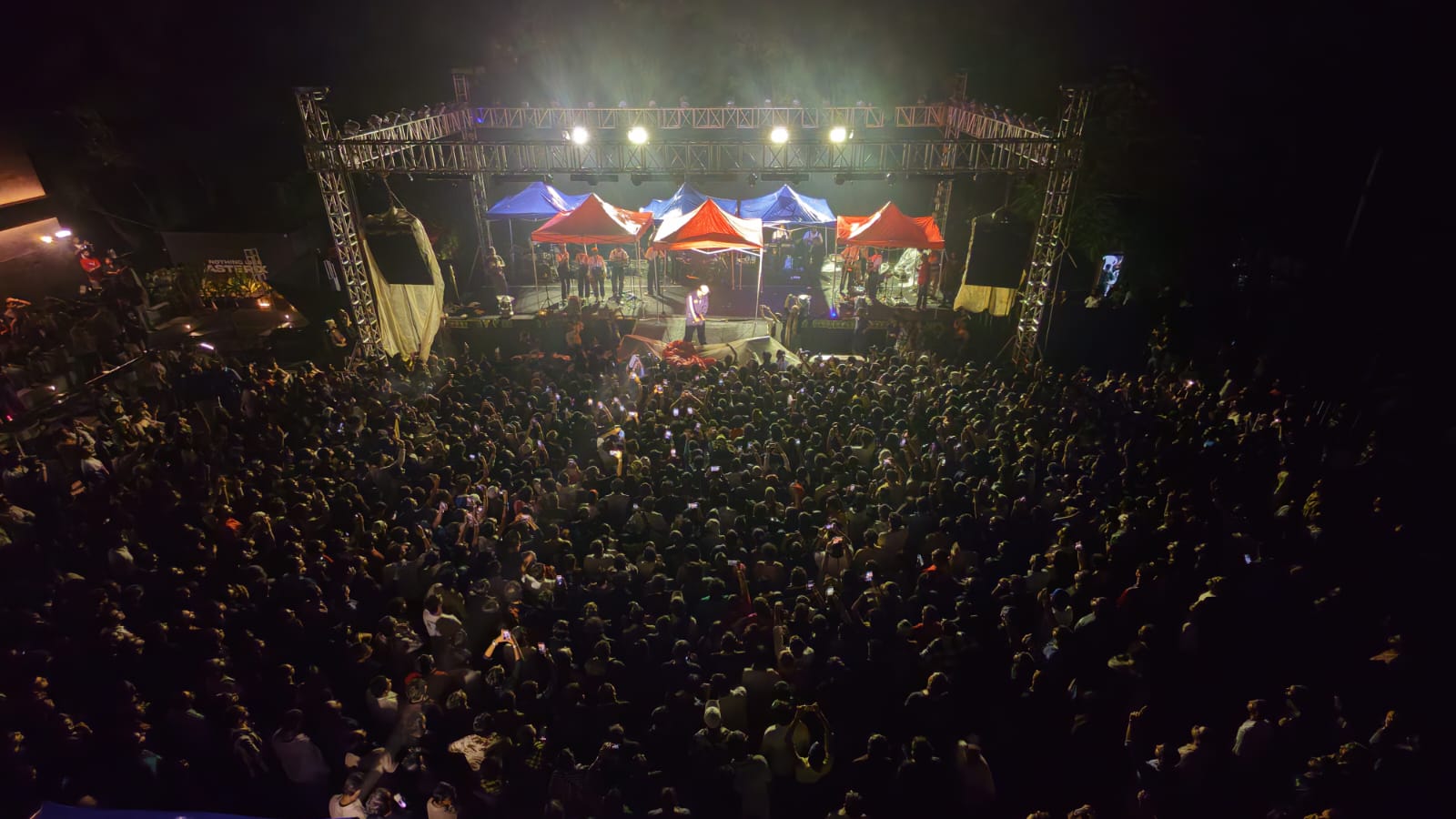
Photo: Courtesy of the Artist
Some of what got the show there didn't come from the team at all. A fan reached a cafe a day before the show, met the team there, and offered to help however he could, even with his car, with Dhanji’s logo taped front and back. He stayed on site the entire time, helping set up the stage alongside the crew. Around the same time, a number of fans reached out asking to cover the show as media instead of just attending it, and TPC let them in - several said upfront they were willing to buy tickets for that. Neither detail shows up in a ticketing report, but both say something about how invested this crowd was in seeing the show actually happen.
Dhanji ran this as an independent show, no title sponsor propping up the budget. Simba was on board in a smaller capacity, but this wasn't a sponsor-driven event carrying an operator's name on top of it. Every seat sold was the show funding itself, at a price that didn't move even when the operator had every excuse to raise it.
Zoom out and the more uncomfortable question isn't about TPC at all. It's about how much of India's independent show infrastructure runs on exactly this kind of exposure: one ticketing vendor, one point of failure, ten days between a sellout and a scramble. TPC had the visibility and the capital to absorb the hit, cut two vendors, and rebuild ticketing under its own name in days. Most independent promoters running shows a fraction of this size don't have that room. If a vendor fails them the same way, there's usually no letter and no fan showing up with to help - just a cancelled show and a few hundred people asking for refunds.
Ticketing at this scale should be redundant by default, not something an organizer discovers is fragile only after it's already broken. And accountability shouldn't require a CEO deciding, on his own, to name names in public - that worked for Dhanji here, but the industry can't run on hoping every operator is willing to take that risk.
Pricing is the other piece worth pushing on. TPC held its line at ₹499 during a moment that would have justified raising it to almost anyone watching from outside. That shouldn't be the exception that gets written up; it should be closer to the norm. Every dynamic-pricing surge on a bigger platform trains audiences to expect it everywhere else too, including at 1000-capacity independent shows that are supposed to be the more accessible end of the scene.
Dhanji took the risk with the letter. The sold-out room, the team that pulled it off, and the fans who showed up with tickets, cameras, and in one case a car, backed it up. He said he'd deliver, and the room was full when he did.
Tags:
Dhanji
|
Thaltej Publishing Company
|
BookMyShow